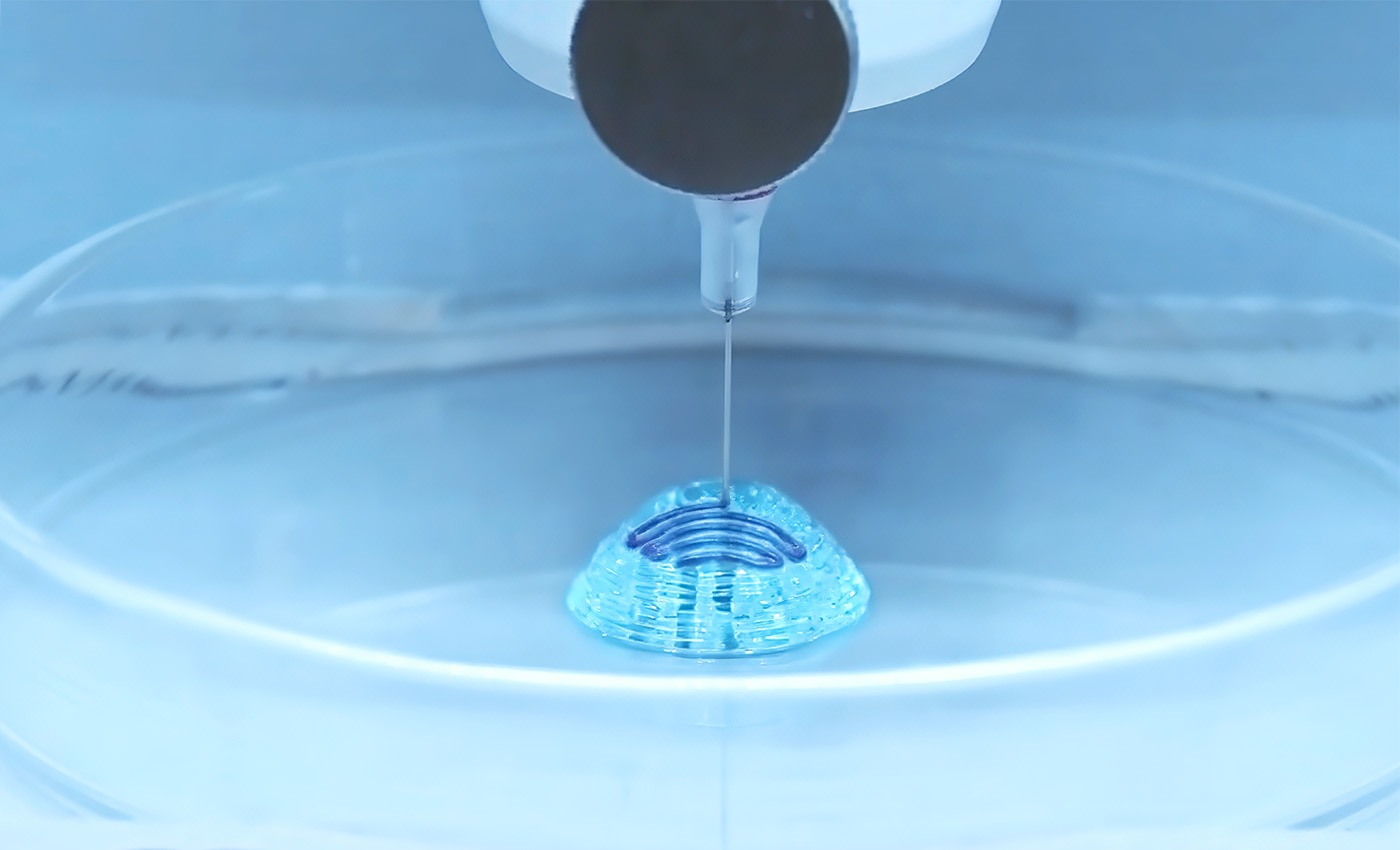
Bioprinting increasingly aims to recreate the complex geometries found in human tissues, but translating these structures into printable toolpaths can be challenging. Non-planar bioprinting, in particular, often requires significant expertise and manual preparation to move from a 3D design to a print-ready toolpath.
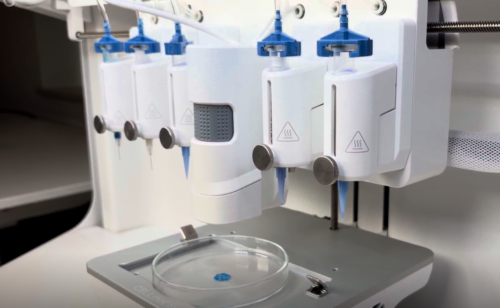
CELLINK is introducing DNA Forma Lab, a new software solution for the BIO X series designed to make that process more accessible. The software transforms non-planar bioprinting from a highly manual, expert-driven process into a guided workflow for creating, refining and validating advanced toolpaths.
From 3D geometry to print-ready G-code
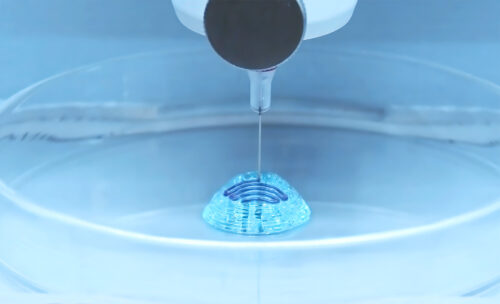
Rather than restricting deposition to conventional flat, layer-by-layer paths, non-planar printing enables researchers to create toolpaths that follow curved surfaces or form more complex branched geometries.
With DNA Forma Lab, researchers can generate these toolpaths and visually edit G-code directly within a 3D viewer, without requiring coding experience. Potential toolpath conflicts can be identified before printing, while the complete print sequence can be previewed and validated before exporting print-ready G-code for the BIO X system.
This brings toolpath creation, editing, visualization and validation into one workflow, giving researchers greater control when developing more complex bioprinting strategies.
Explore Real-World Non-Planar Bioprinting Workflows
Discover how DNA Forma Lab enables the creation of surface-following and branched bioprinted structures on the BIO X series. Through two example workflows, this technical note demonstrates how geometry-aware toolpaths can support more complex and anatomically relevant designs.
From conformal printing on curved anatomical surfaces with over 90% cell viability throughout 7 days of culture to the fabrication of branched lumenized structures within a support bath, these examples showcase the expanded design possibilities enabled by non-planar bioprinting.
Expanding the capabilities of the BIO X series
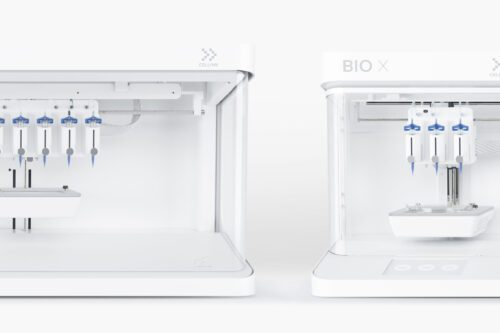
DNA Forma Lab is a standalone application that complements workflows using DNA Studio 4. It generates G-code for BIO X Gen 2, BIO X Gen 3 and BIO X6 systems, adding advanced toolpath generation, editing and validation to the bioprinting workflow.
Researchers using these systems can now explore non-planar printing through a more guided process, opening new possibilities for designing and printing complex 3D structures.
Learn more: DNA Forma Lab
See DNA Forma Lab in Action